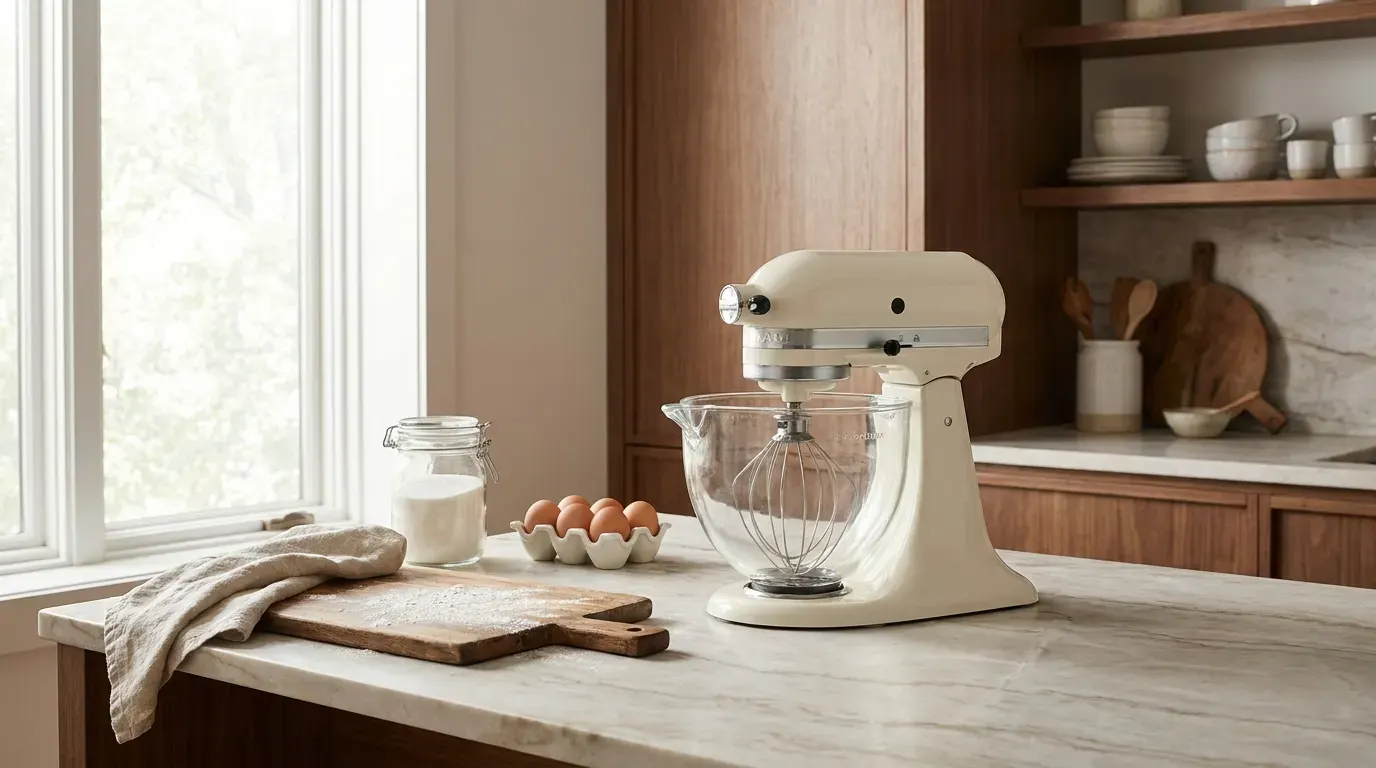
Choose a stand mixer by matching bowl capacity and dough guidance to your recipes, then compare counter fit, design, attachments, care, and replacement parts.
Choose the right bowl capacity
Bowl size determines how comfortable a mixer feels for your normal baking routine. A compact bowl can be ideal for frosting, cookies, and small cakes, while a larger bowl is more useful for bread dough, batch baking, and family-size recipes.
A larger capacity is not automatically better. Very small quantities can be harder to mix in an oversized bowl, so think about the recipes you make most often before choosing a model.
Look beyond the wattage number
Motor wattage alone does not tell you how a mixer will perform. The mixer design, gearing, speed control, bowl shape, and dough hook all affect how well it handles thick dough or repeated batches.
For frequent bread or pizza dough, look for a stable mixer with a solid base and clear guidance from the manufacturer about dough capacity. For cakes, whipped cream, and cookies, smooth low-speed control is especially useful.
Understand tilt-head and bowl-lift designs
Tilt-head mixers make it easy to add ingredients, scrape the bowl, and change attachments. Bowl-lift mixers keep the head fixed and raise the bowl with a lever, which can feel more stable for larger or heavier mixtures.
Neither design is universally better. Choose the one that fits your available cabinet clearance, counter height, and comfort when adding ingredients during mixing.
Buy attachments with a real purpose
Most stand mixers include a flat beater, wire whisk, and dough hook. Extra attachments can be useful, but they should support recipes you actually plan to make rather than simply add cost.
- Flat beater: cakes, cookies, mashed potatoes, and everyday batters.
- Wire whisk: egg whites, whipped cream, meringue, and light mixtures.
- Dough hook: yeast dough, pizza dough, and heavier bread recipes.
- Optional attachments: consider pasta, food-grinder, or slicing tools only if you will use them regularly.
Check fit, cleaning, and long-term use
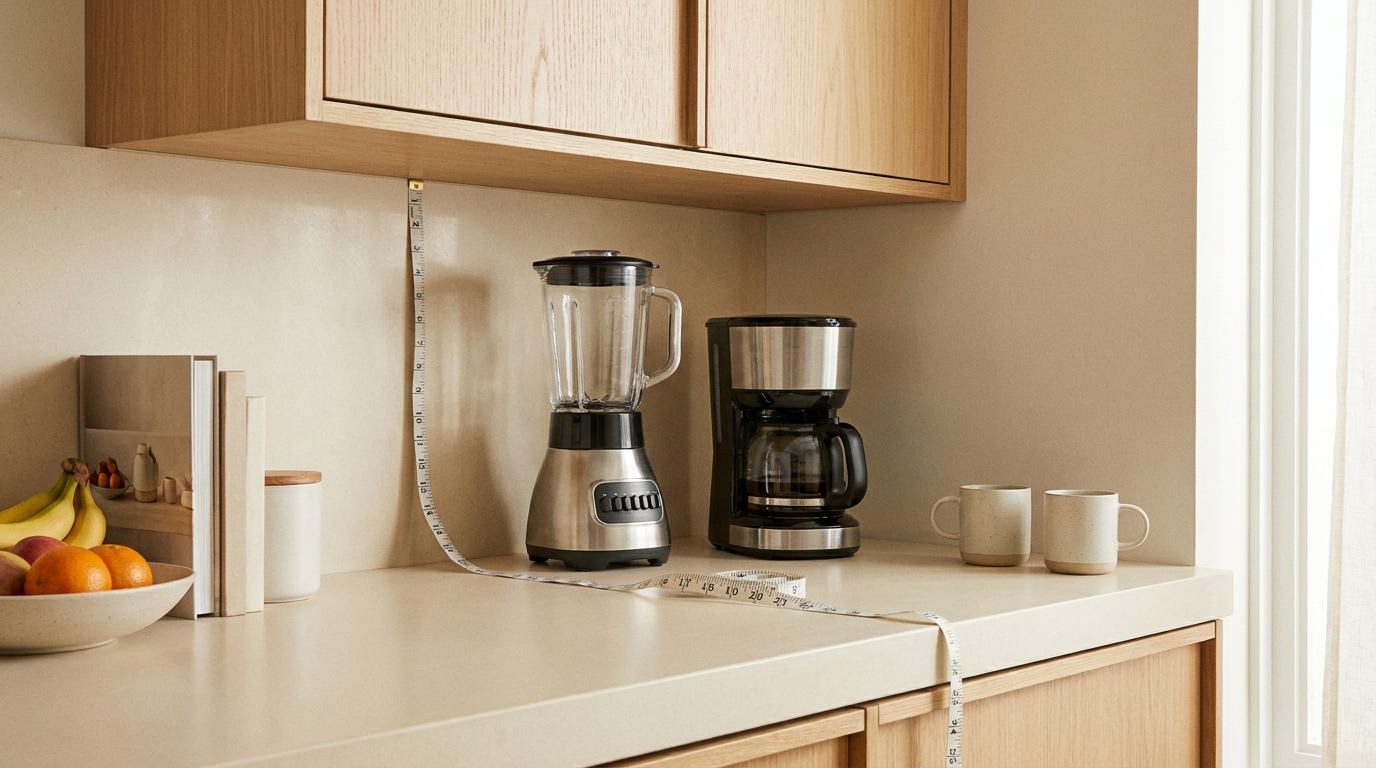
Measure your counter and the height below upper cabinets before buying. A stand mixer is easiest to use when it can stay accessible, rather than being lifted from a cupboard for every recipe.
Also review the care instructions for the bowl and attachments, warranty terms, and whether replacement parts are available. These details matter more over years of baking than a single headline feature.
Frequently asked questions
What bowl size should I choose?
Base capacity on your most common recipes and batch sizes, not the largest number on the box. Check the maker’s stated capacity for flour or dough because usable capacity is not the same as the bowl’s total volume.
Is a higher wattage always better?
No. Wattage alone does not predict mixing quality. Gear design, speed control, stability, bowl shape, and the manufacturer’s guidance for heavy dough all matter.
Should I keep a stand mixer on the counter?
If you use it often and have a stable, accessible spot, keeping it out can make it easier to use. Measure its footprint and height, including room to tilt the head or lift the bowl.
Prepared by
KitchenTrusted Editorial
Product details and availability can change. Always confirm current information with the manufacturer or seller before purchase.